
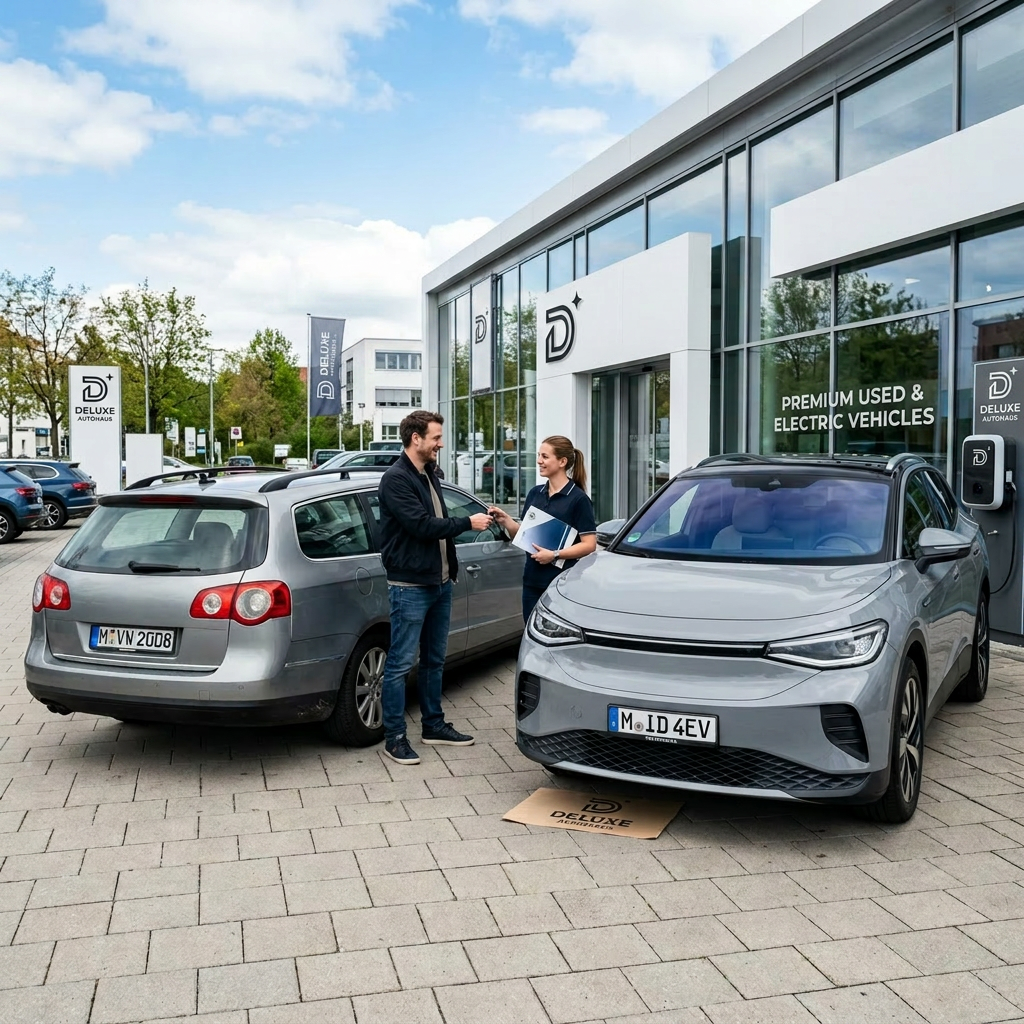
Buying your first electric vehicle is one of the most transformative decisions a driver can make. Whether you’re motivated by lower running costs, environmental benefits, or simply the appeal of modern technology, the EV landscape in the UK and Ireland has matured to the point where switching is easier, cheaper, and more practical than ever. This guide walks you through everything you need to know before buying your first EV – from range and charging to grants, tariffs, and long‑term ownership.
Understanding Your Driving Habits
The most important step in choosing an EV is understanding how you actually drive. Most drivers in the UK and Ireland travel fewer than 50 miles per day. Even the smallest EVs comfortably exceed this, with real‑world ranges between 150 and 300 miles. If your driving is mostly urban or suburban, you’ll have a wide choice of affordable models.
For longer journeys — cross‑country trips, regular motorway driving, or rural travel — look for EVs with 250+ miles of real‑world range and strong rapid‑charging capability. Range ratings are helpful, but real‑world conditions matter more: weather, speed, elevation, and driving style all influence efficiency.
Charging: The Part Everyone Worries About
Charging is the biggest mental hurdle for new EV drivers, but it becomes second nature within a week.
Home Charging
If you have off‑street parking, installing a home charger is the single best upgrade you can make. A dedicated wallbox offers:
- Faster charging than a 3‑pin plug
- Smart scheduling (charge at night when electricity is cheaper)
- Energy‑use insights
- Better long‑term battery health
Off‑peak tariffs can reduce charging costs by up to 70%. Many EV owners pay the equivalent of £4–£7 / €5–€8 for a full charge.
Public Charging
Public charging networks have expanded dramatically. In the UK, networks like Gridserve, Tesla Supercharger, InstaVolt, and Ionity offer reliable rapid charging nationwide. In Ireland, ESB eCars continues to grow its fast‑charging footprint across cities, towns, and motorways.
Rapid chargers (50–350 kW) can add 100 miles of range in 10–20 minutes depending on your car’s capabilities. For most drivers, public charging becomes an occasional convenience rather than a daily necessity.
Understanding EV Range
Range varies based on:
- Temperature
- Speed
- Tyre pressure
- Battery age
- Driving style
Winter range typically drops by 10–25% due to battery chemistry and cabin heating. Summer range is usually higher. This is normal and expected — not a sign of battery degradation.
Total Cost of Ownership: Why EVs Save Money
EVs often cost more upfront, but they save significantly over time. Key savings include:
Fuel Costs
Electricity is cheaper than petrol or diesel, especially on off‑peak tariffs. Many EV drivers spend 60–80% less on “fuel” annually.
Maintenance
EVs have fewer moving parts. No oil changes, no timing belts, no exhaust systems. Brake wear is reduced thanks to regenerative braking.
Tax & Grants
- UK: Lower road tax (currently zero for many EVs), company‑car tax benefits.
- Ireland: VRT relief, SEAI home‑charger grants.
Depreciation
Modern EVs hold value better than early models thanks to improved batteries and stronger demand.
Battery Health & Longevity
EV batteries are designed to last 10–15 years. Most manufacturers offer 8‑year warranties. Degradation is gradual and usually minimal — often 5–10% over many years.
To maximise battery life:
- Avoid frequent 100% charges
- Keep daily charging between 20–80%
- Use rapid charging sparingly
- Maintain tyre pressure
- Pre‑condition the car in winter while plugged in
Choosing the Right EV for Your Needs
When test‑driving, focus on:
- Real‑world range
- Charging speed
- Boot space
- Comfort
- Heat‑pump efficiency (important for winter)
- Infotainment quality
- Driving position and visibility
If you’re unsure where to start, shortlist EVs based on your typical driving patterns. For example:
- City drivers: compact EVs with 150–250 miles of range
- Motorway commuters: mid‑size EVs with 250–350 miles
- Long‑distance travellers: large EVs with 300–400 miles and 150+ kW charging
Home Energy Integration
Pairing your EV with solar panels or home battery storage can dramatically reduce running costs. Smart chargers can automatically use surplus solar energy, reducing grid reliance and lowering bills.
The First Week of EV Ownership
Most new EV drivers experience a learning curve during the first week:
- Understanding charging speeds
- Learning how range responds to driving style
- Getting comfortable with public chargers
- Setting up home‑charging schedules
By week two, most drivers report that EV ownership feels easier than petrol or diesel.
Final Thoughts
Buying your first EV is a major step, but it’s also one of the most rewarding upgrades you can make as a driver. With lower running costs, smoother driving, and rapidly expanding charging networks, EV ownership in the UK and Ireland has never been more practical.
Leave a Reply